My external hard drive suddenly changed from NTFS to RAW after I unplugged it during a file transfer, and now Windows says I need to format it before I can use it. I have important photos and work files on the drive, so I need help finding a safe way to convert RAW to NTFS without erasing everything. Looking for the best data recovery and RAW to NTFS repair steps.
I hit this mess a few days ago, so I figured I’d post it before someone else clicks the wrong thing.
My drive suddenly showed up as RAW, and Windows kept pushing the format prompt. I did not touch it, because my files were still on there and I wasn’t going to gamble with them.
I went looking for a way to change RAW back to NTFS without wiping the drive, and at first I got lost fast. Too many guides skip the part you need most, which is what not to do first.
This page helped me sort out the order a bit:
how to convert RAW to NTFS without losing data https://discussion.7datarecovery.com/forum/topic/how-to-convert-raw-to-ntfs-without-losing-data/
The part I missed before, formatting does wipe access to the current file structure, and if your drive turned RAW, your data is often still sitting there, you simply can’t read it normally through Windows. So if you format first and think later, you make the job harder.
What I’m doing now is the safer route. Recover files first. Then mess with repair steps after. Feels slower, but it beats making things worse by panic-clicking stuff at 1 a.m.
I’m still in the middle of it, so I’m not posting like some expert. I’m mostly less confused than I was yesterday. If you fixed a RAW drive and kept your data, post what you did, esp if there was a step people tend to skip.
15 Likes
Yes, but I would not think of it as a true “convert” job.
If a drive turns RAW after an unsafe unplug, the usual issue is damaged NTFS metadata, boot sector, MFT, partition record, or bad sectors. Your files are often still there. Windows simply stops mounting the volume. So I partly agree with @mikeappsreviewer. Do not format first. But I also would not rush into repair tools on the original drive either, becuase some “fixes” write changes and make recovery worse.
Better order:
- Stop using the drive.
- Check SMART health with CrystalDiskInfo or Disk Drill.
- If health looks bad, clone it first, sector by sector.
- Recover files from the clone or from the original if the drive is healthy.
- After your data is safe, format to NTFS.
Disk Drill is solid for this since it reads RAW drives and pulls files out by signature and filesystem traces. Photo sets, Office docs, PDFs, stuff like that. If it finds your folder tree, that usually means metadata damage, not full data loss.
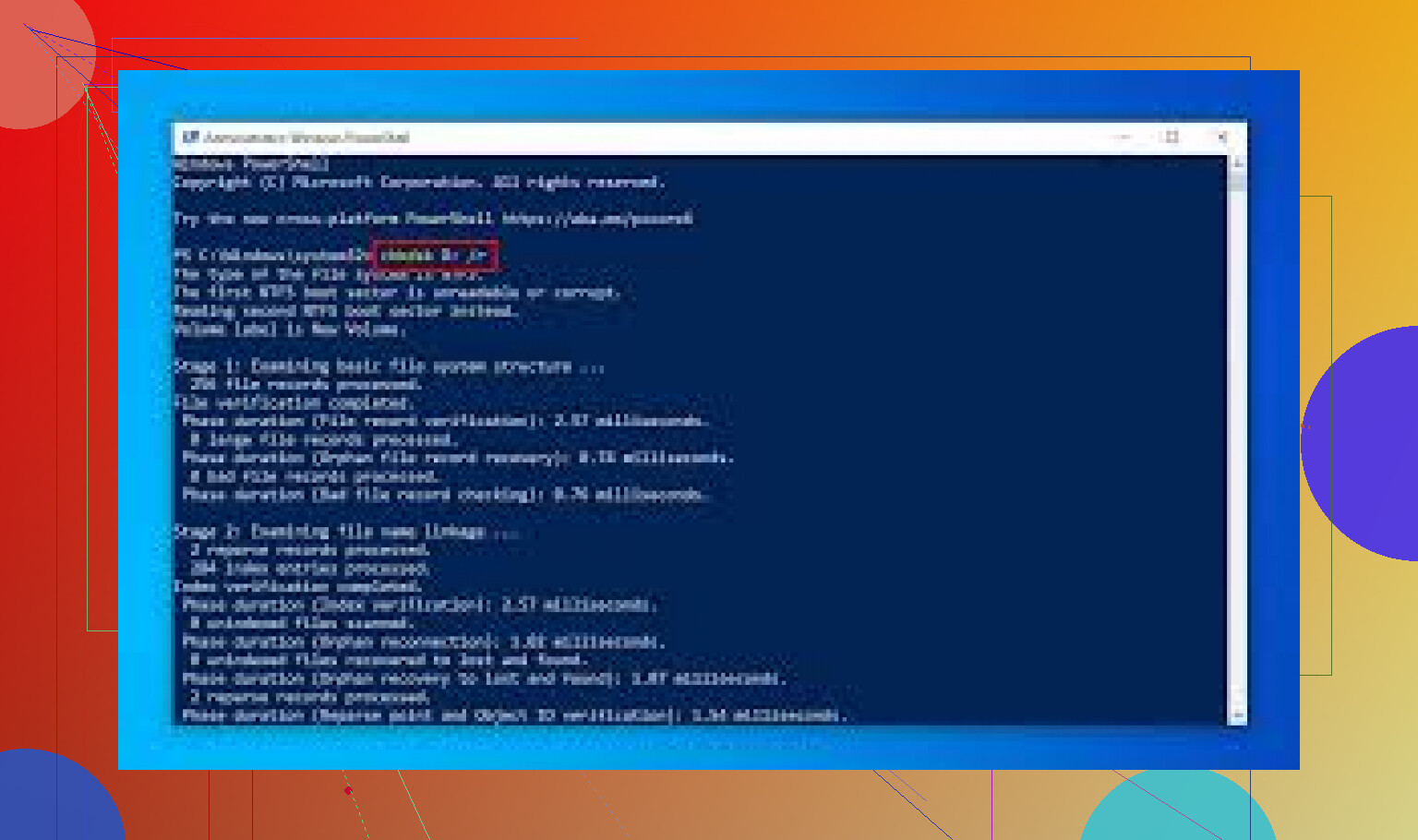
I’d skip CHKDSK on a RAW drive with important files. Some people swear by it. I don’t.
If you want a plain explainer on NTFS, this helps, learn how the NTFS file system stores and protects your data.
After recovery, do a full format, not quick, and test the enclosure too. Unsafe disconnects sometiems expose a flaky USB cable, not only file corruption.
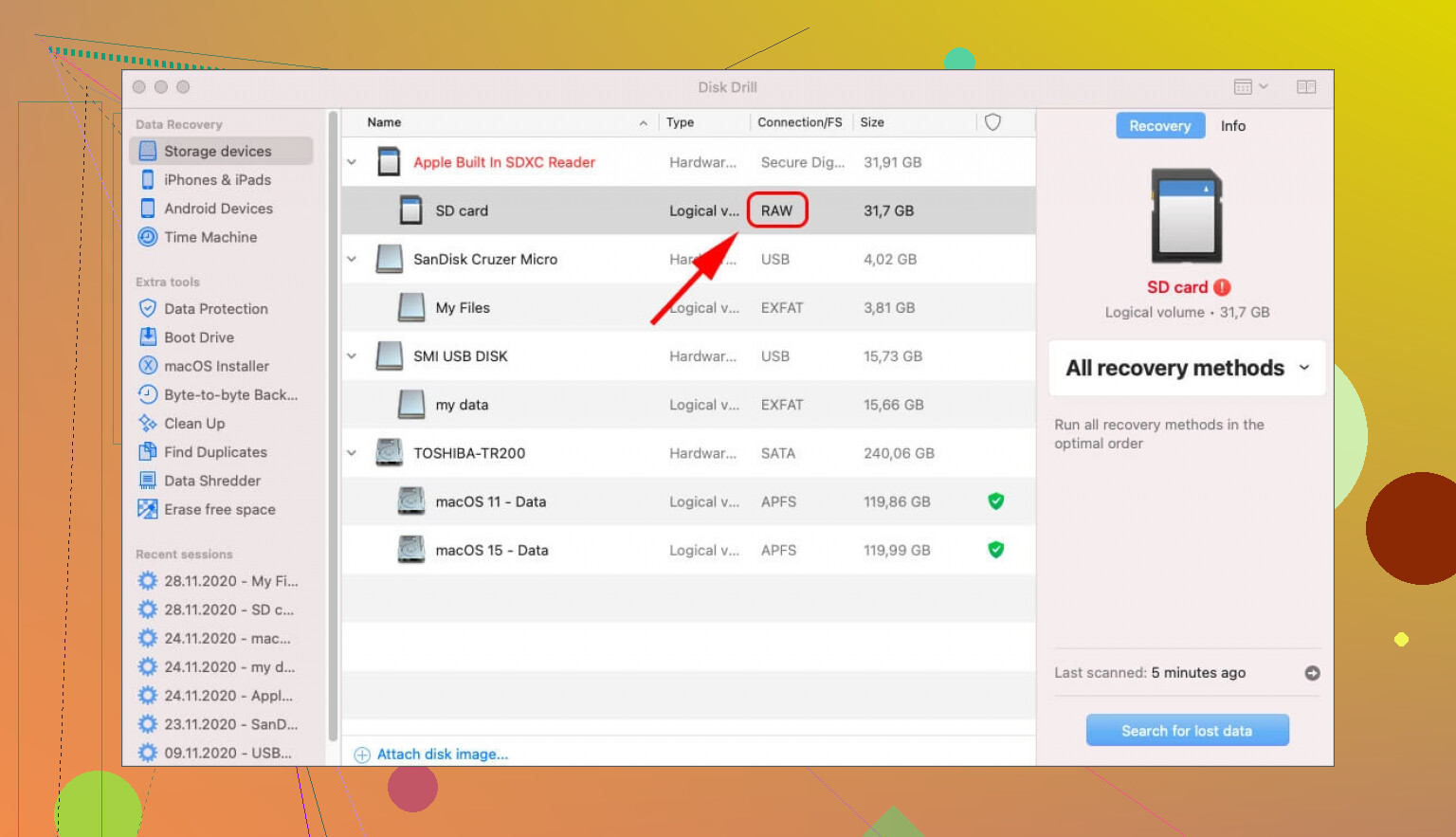
No, not in the clean, magical sense people hope for. A RAW drive is usually an NTFS volume that Windows can’t mount anymore, not a format you can just “switch back” with a safe toggle.
I mostly agree with @mikeappsreviewer and @nachtschatten on avoiding the format button, but I’d add one thing: also stop reconnecting it over and over trying different ports like that somehow fixes filesystem damage. Sometimes it does nothing except stress a dying drive.
What I’d do:
- Try another USB cable/enclosure first, because external drives fail in dumb ways
- Look in Disk Management and confirm the partition size still looks correct
- If the capacity shows right, that’s a decent sign the data may still be there
- Recover the files before attempting repairs
If you want the practical route, Disk Drill is one of the better options for recovering data from a RAW external hard drive because it can scan for lost NTFS structures and also recover by file signatures if the metadata is toast. That’s the part that matters for photos and work files.
One mild disagreement with common advice: I would not jump straight to “repair” commands unless the files are already backed up somewhere else. Repairs are writes. Writes are risk. Risk is how people turn “recoverable” into “whoops.”
After recovery, then format NTFS and test the drive. If it flipped to RAW after one unsafe unplug, maybe it was just corruption. If it happens again, the drive or enclosure is probly going bad.
Also, if you want a visual walkthrough, this video explains the RAW-to-NTFS recovery process pretty clearly: how to recover a RAW drive and restore NTFS access