I have to review freelance drafts during my lunch break, so I can’t add a check that creates more follow-up than it saves. I’m deciding whether to include QuillBot AI Detector in that process. The drafts arrive as plain text, and I keep revision notes in a spreadsheet. Would you recommend using it to flag passages for a closer read, and has it flagged writing you knew was human-written?
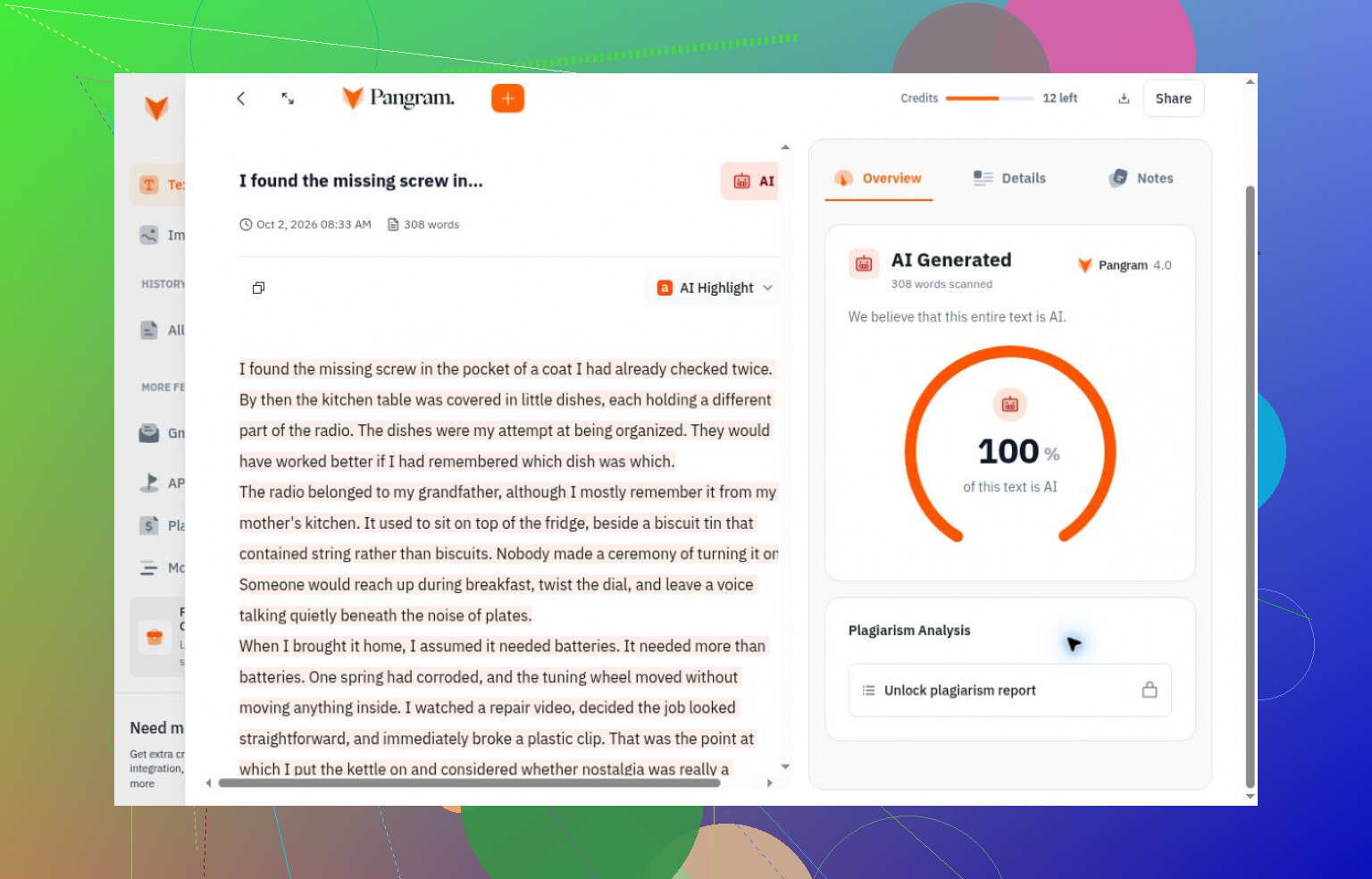
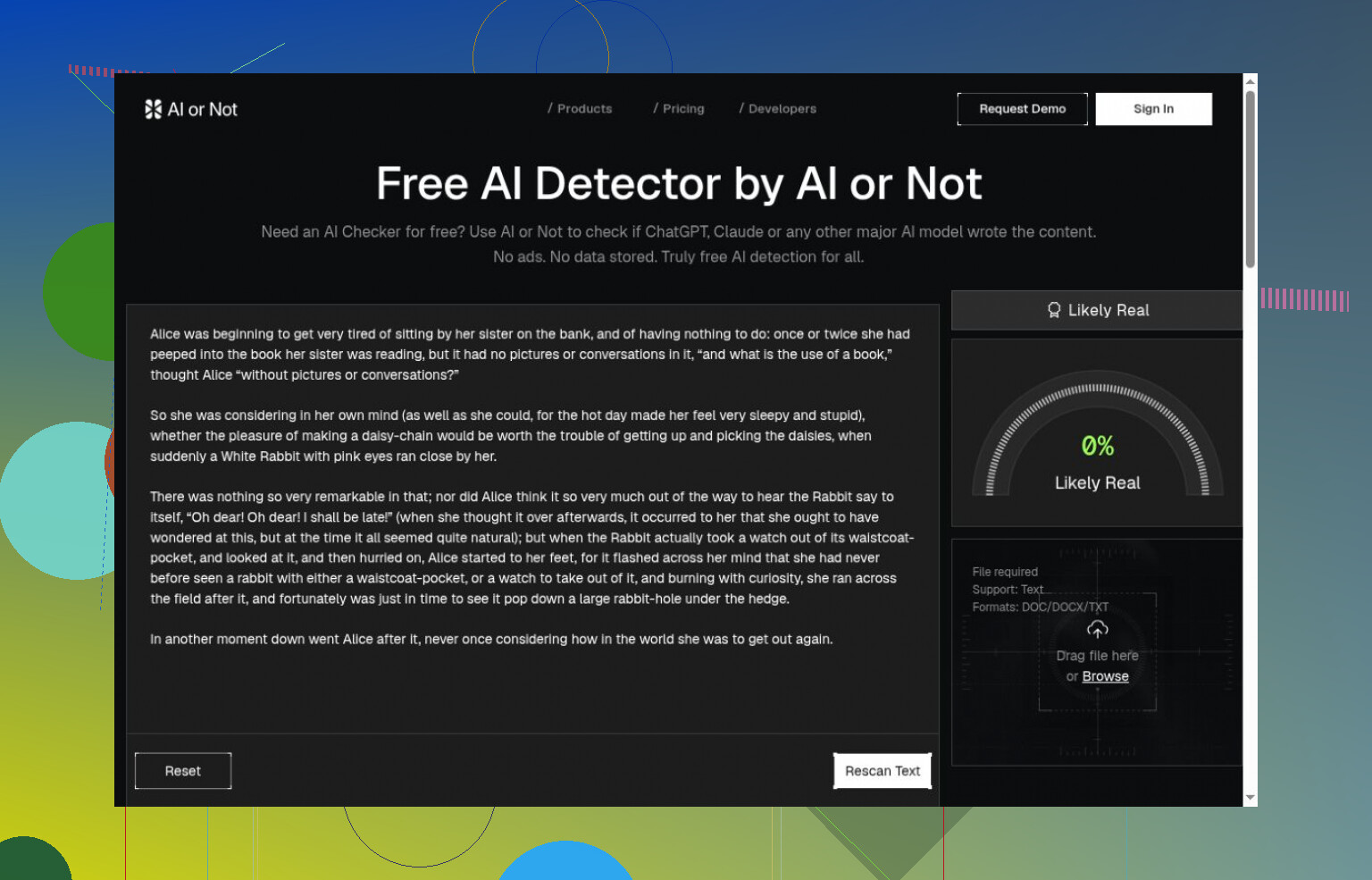
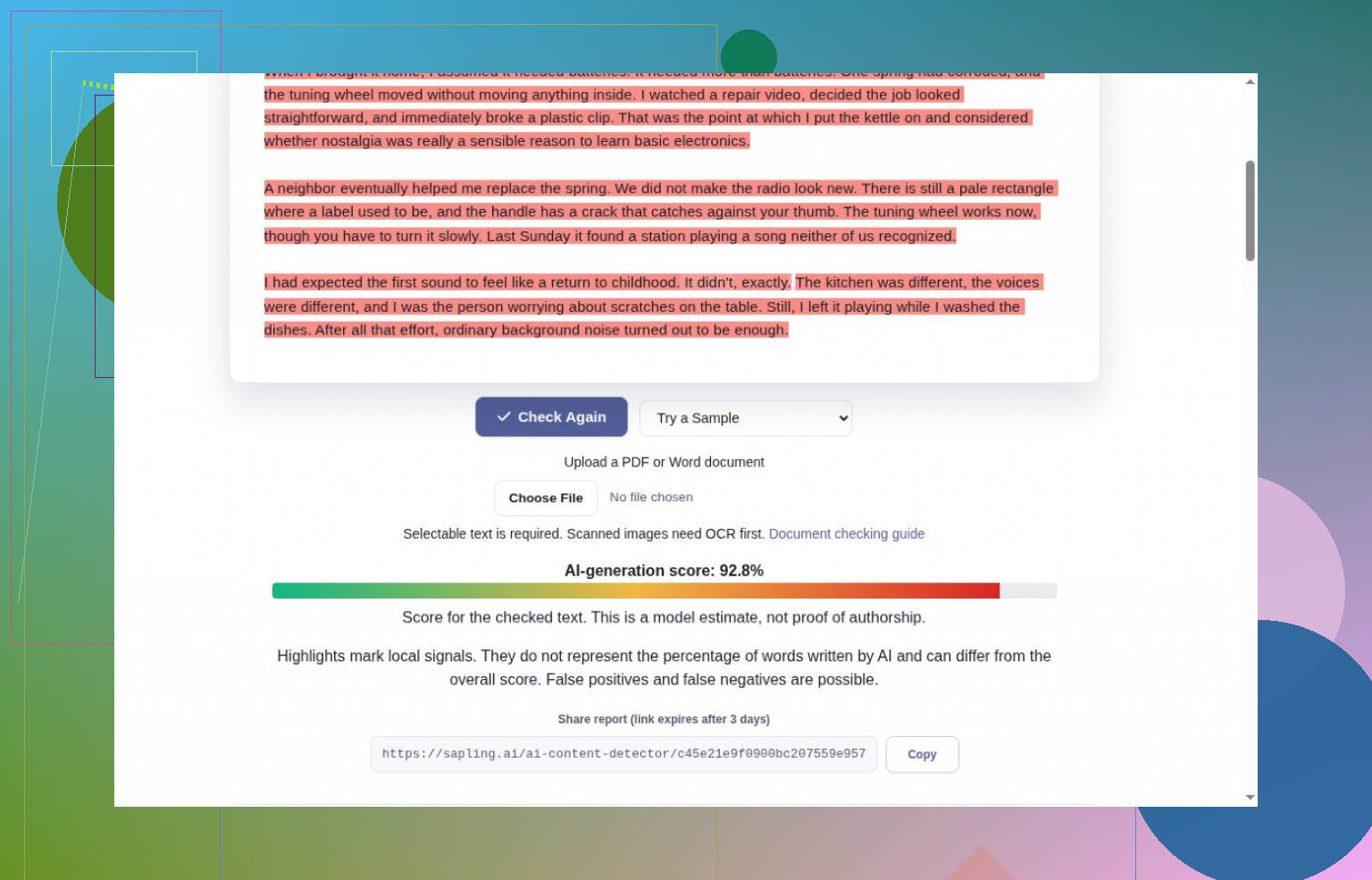
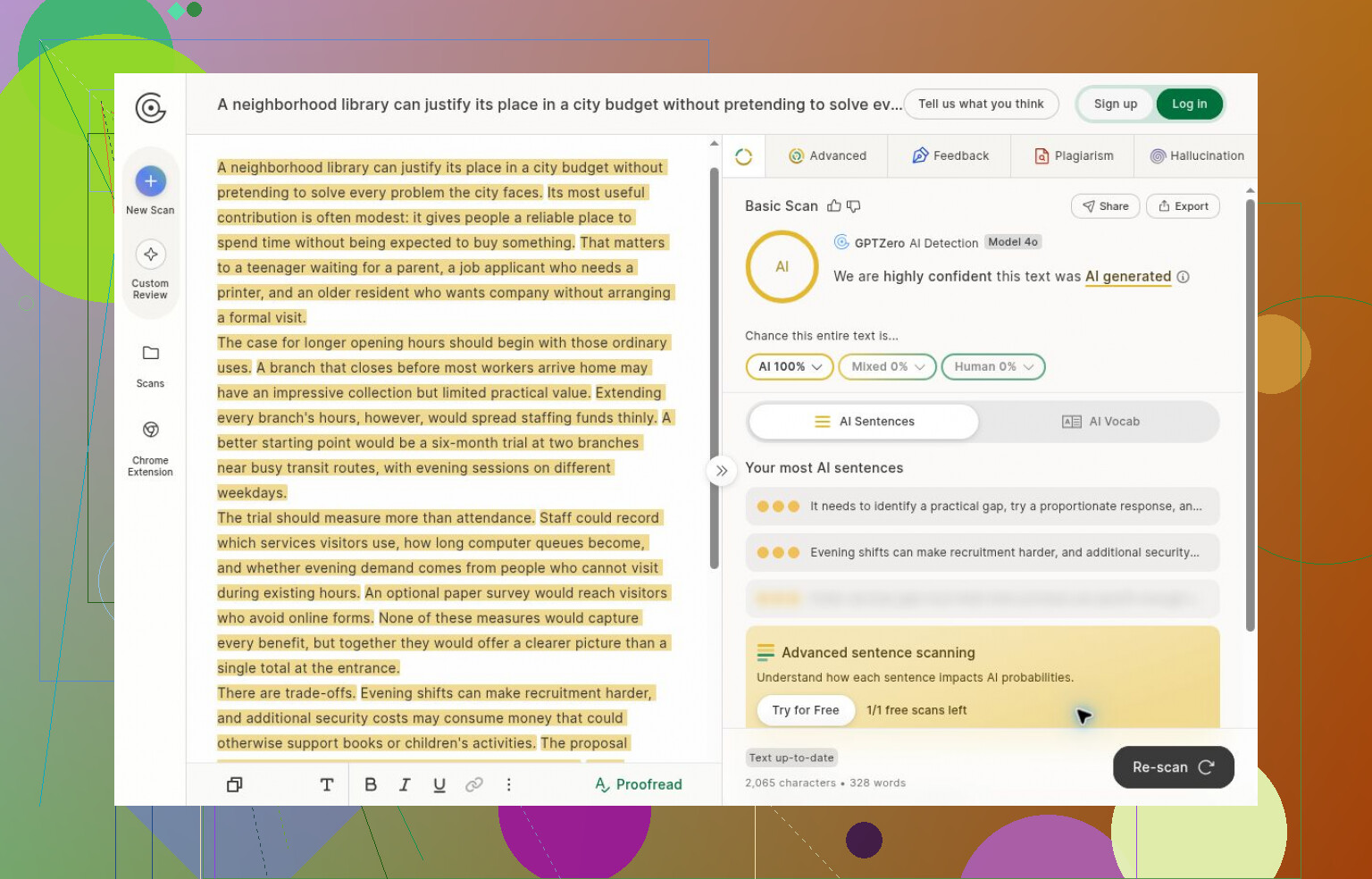
And that’s why I’d separate “gave me a result” from “gave me a useful result.” Some checks confidently missed generated writing; others treated Lewis Carroll as AI. I used six unchanged English passages on October 2–3, 2026: four generated pieces, a Carroll excerpt, and that excerpt lightly edited by AI. The generated pieces covered an essay, memo, paraphrase, and fictional personal story.
The mistakes matter more than the confidence
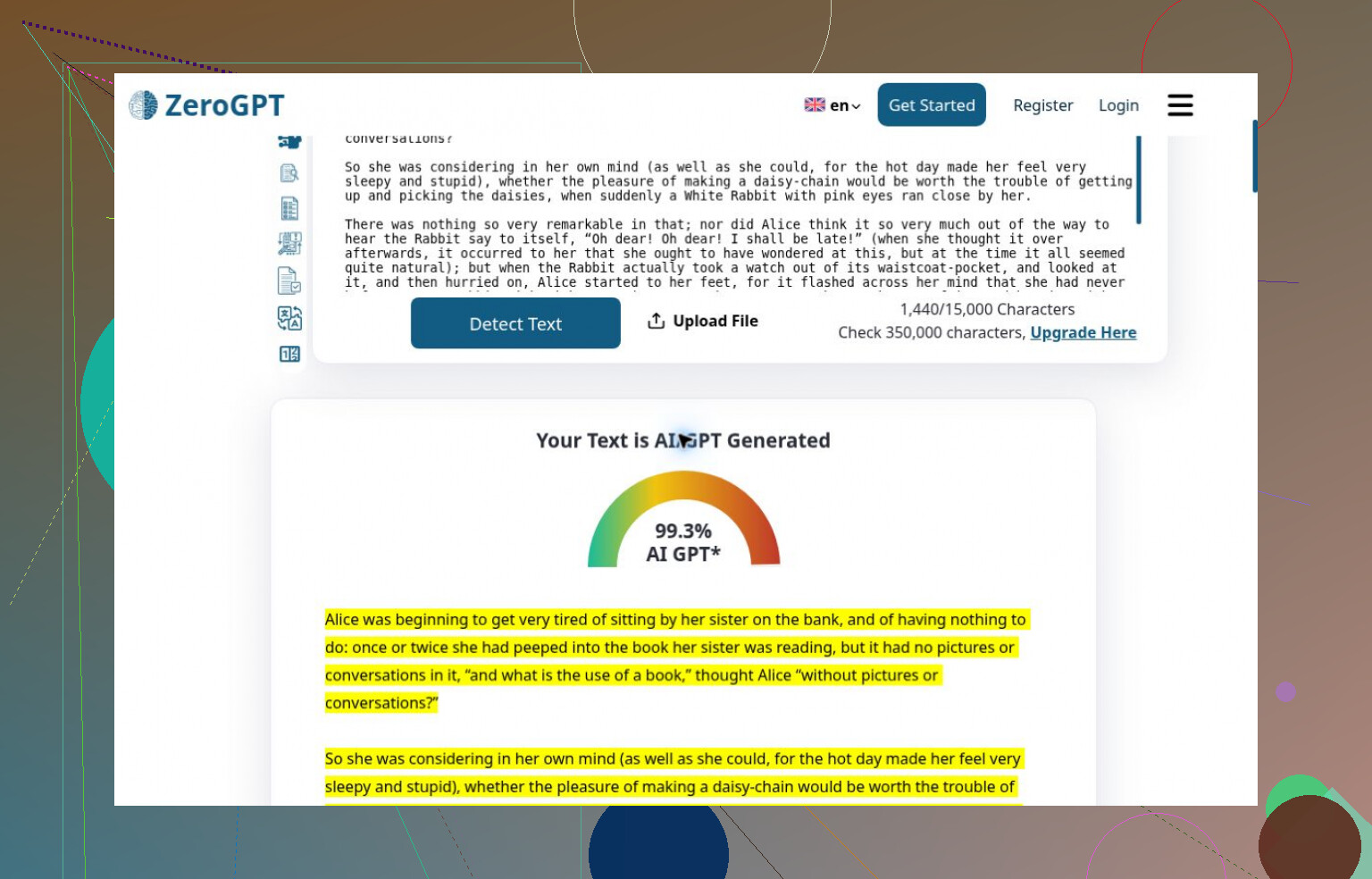
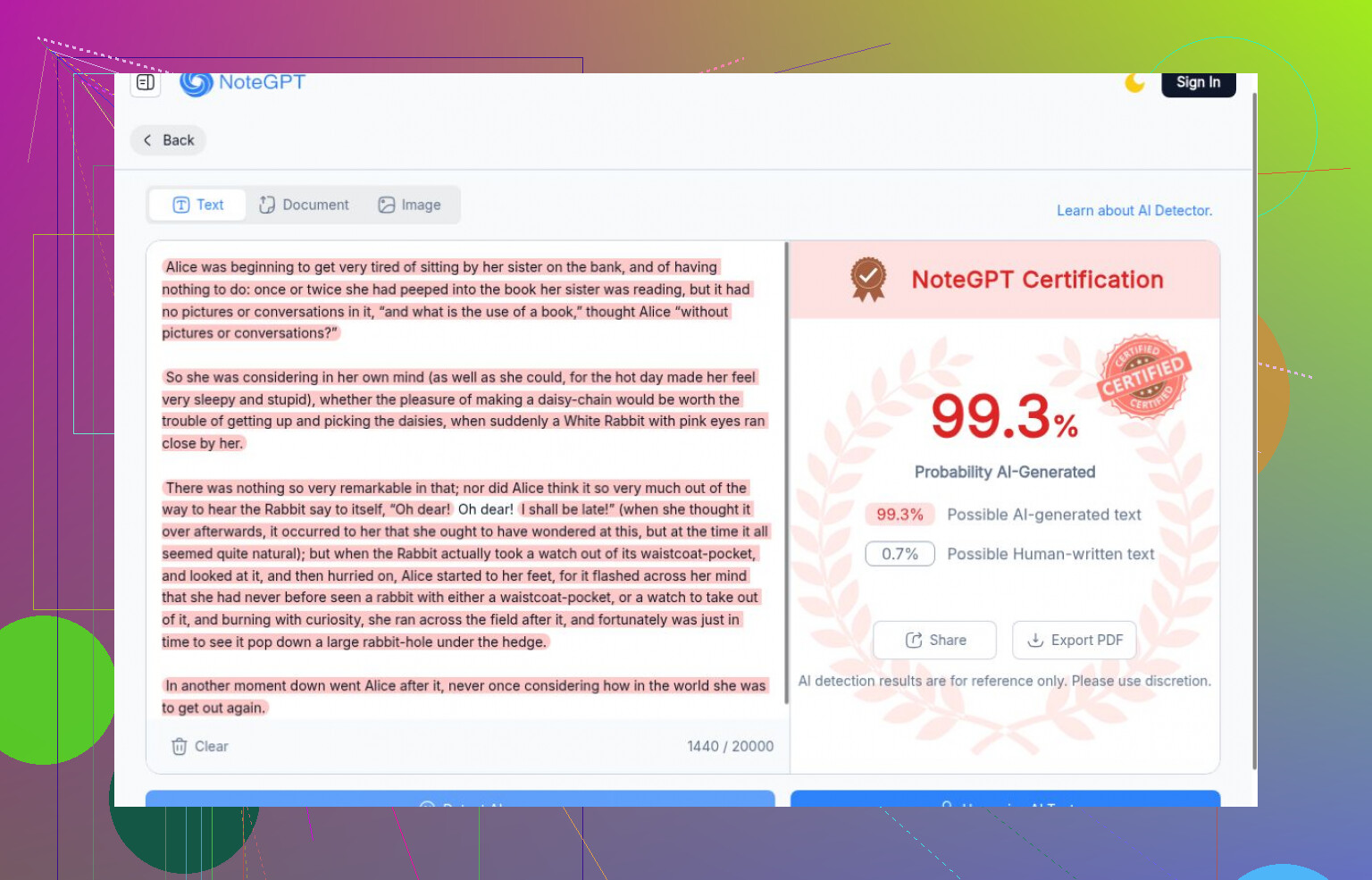
ZeroGPT completed the set and caught the generated passages, but assigned Carroll 99.3% AI, higher than any generated sample. NoteGPT also put the human excerpt above its AI examples. Matching scores don’t establish shared technology, so I wouldn’t assume those products are connected.
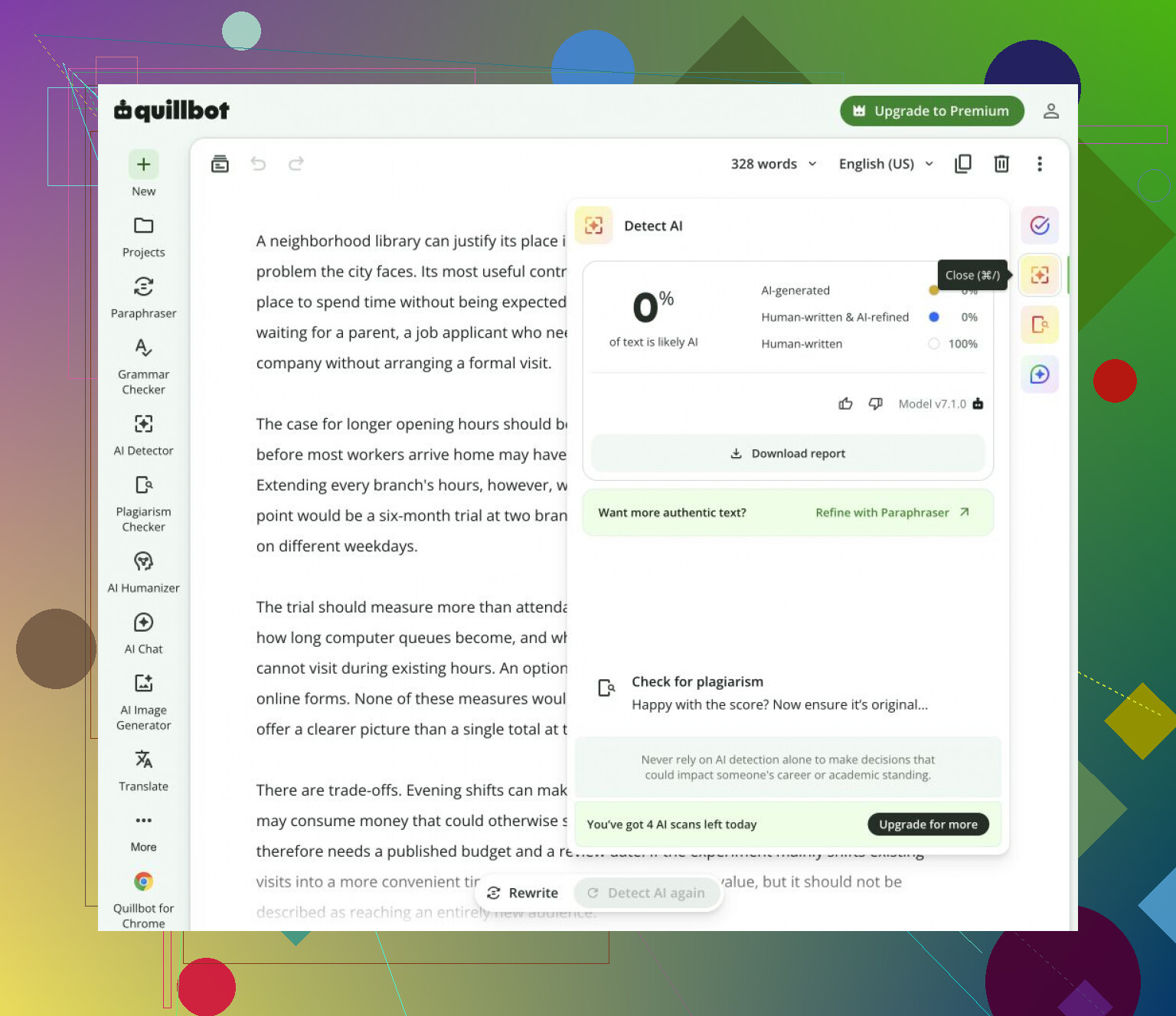
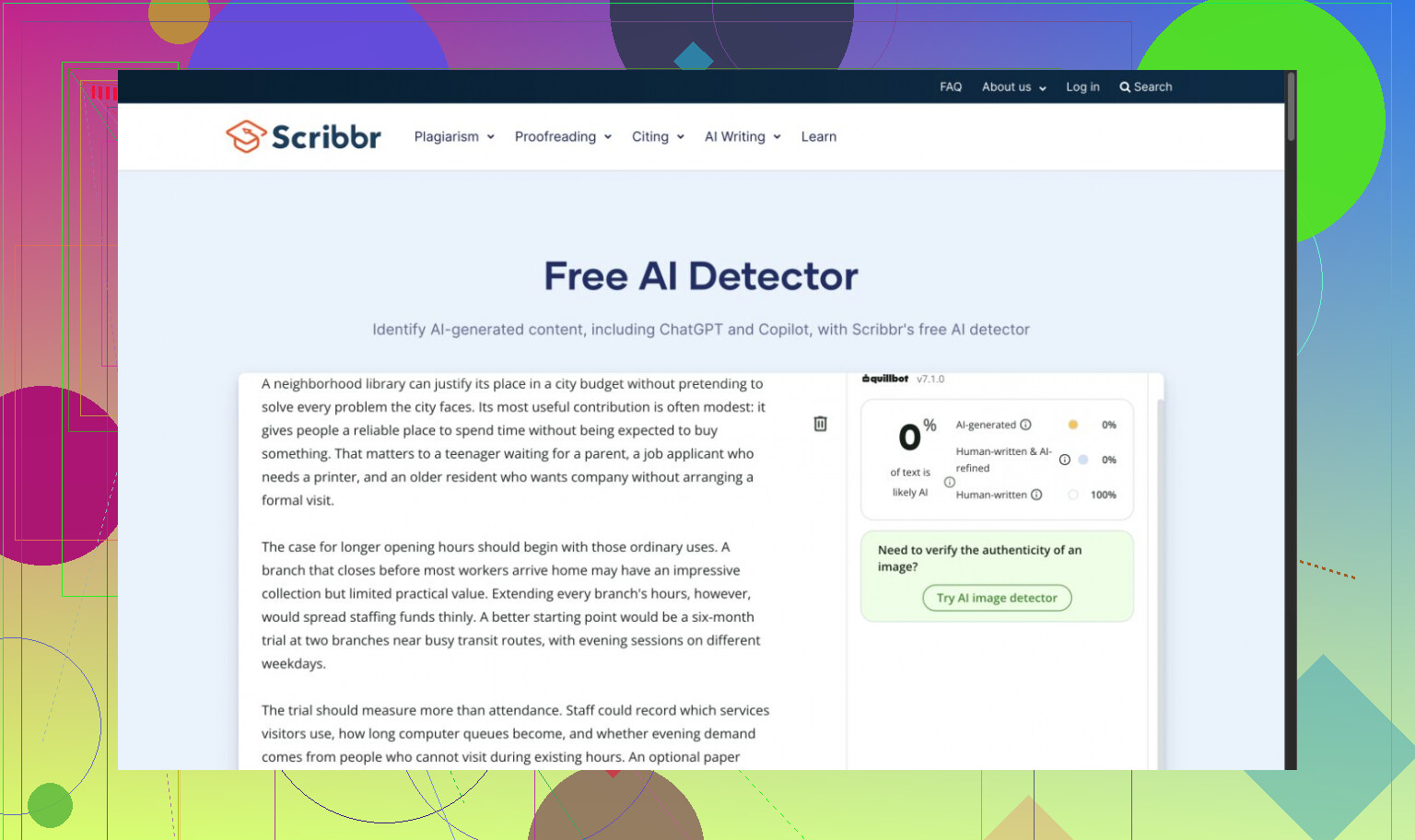
QuillBot went wrong in the opposite direction: every generated passage received 100% human-written. It accepted Carroll too, then stopped before I could submit the mixed passage. Scribbr’s usable follow-up accepted both the essay and Carroll as human. Its visible QuillBot branding makes me reluctant to treat those as independent votes.
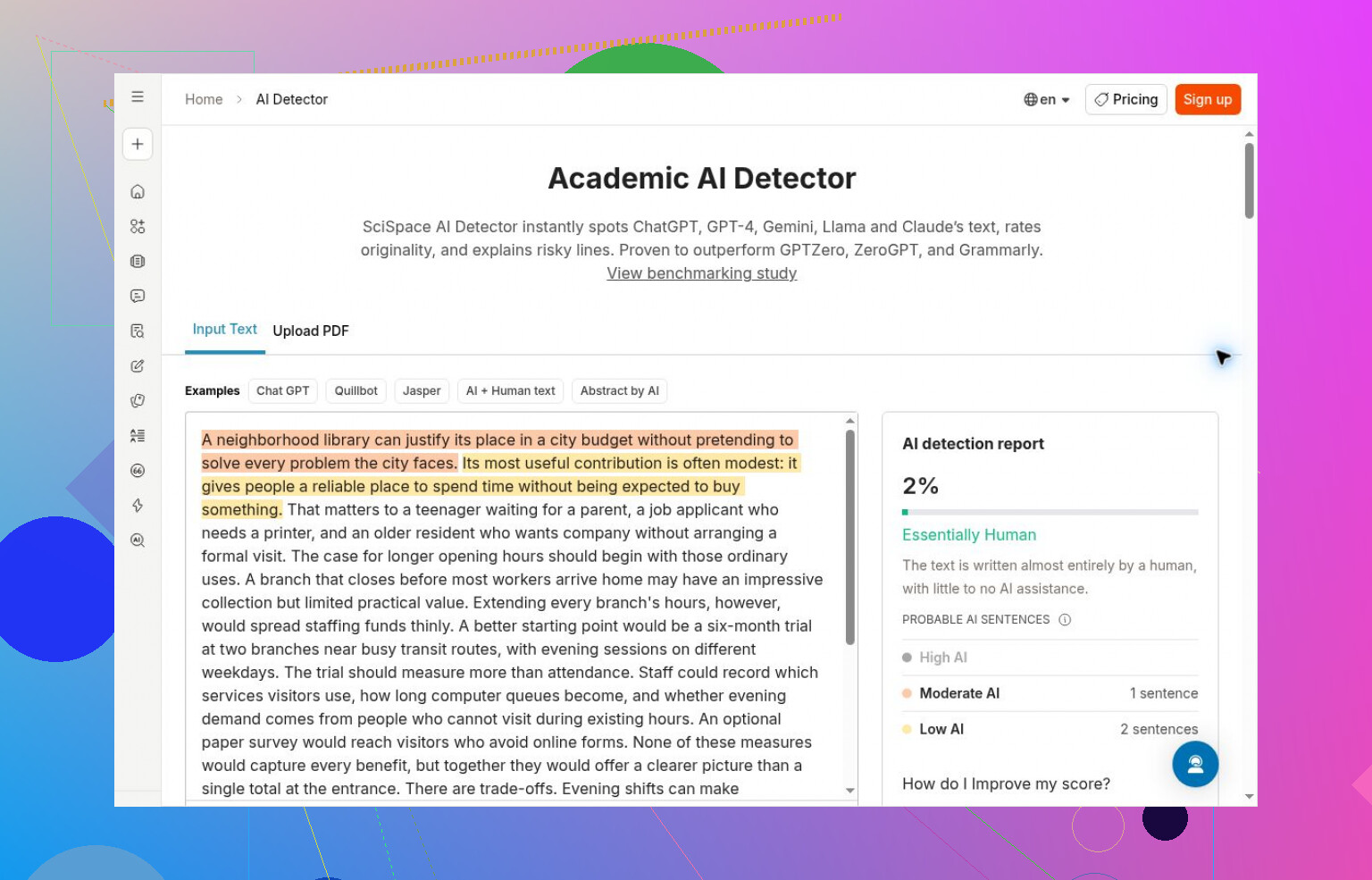
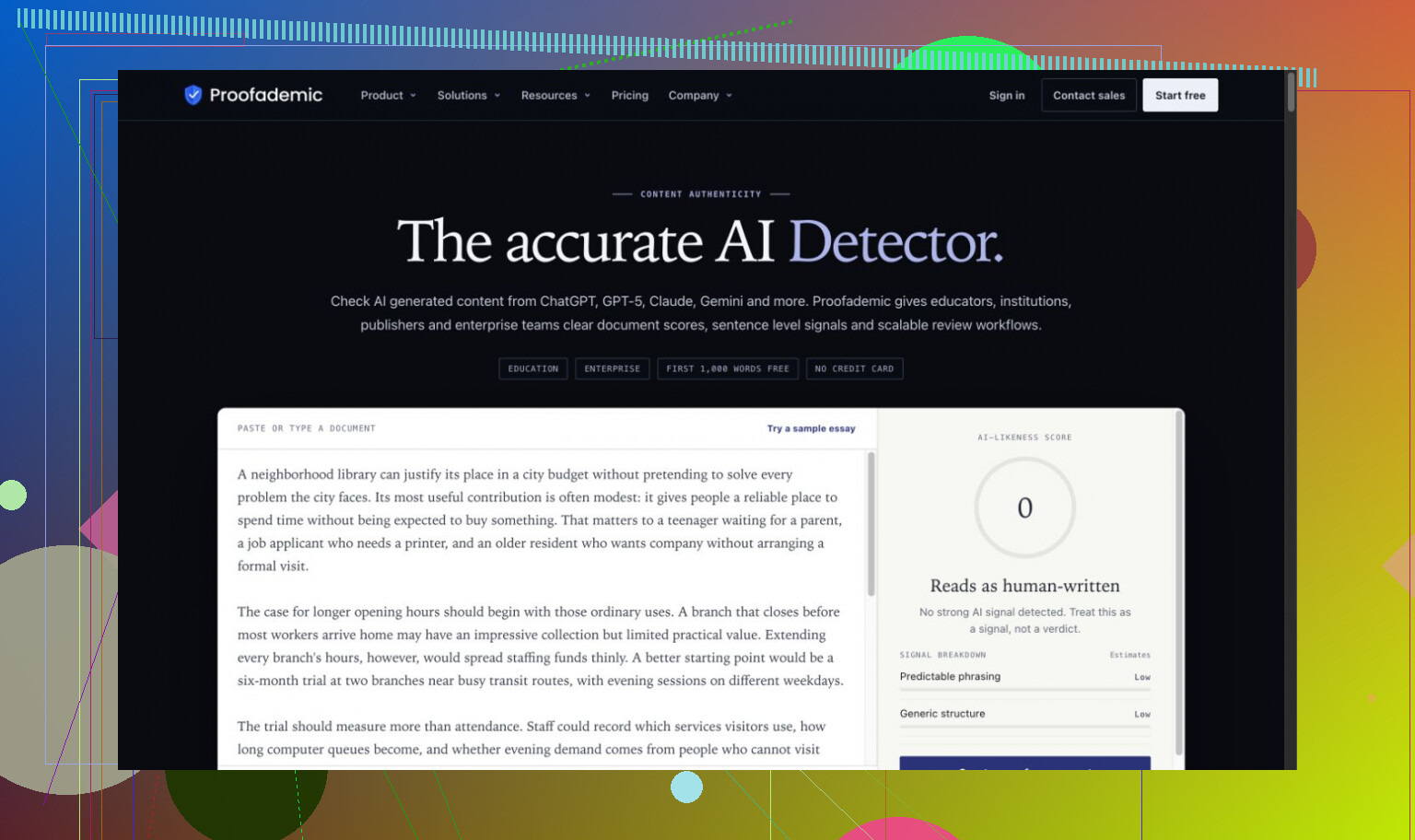
SciSpace gave the generated essay 2% AI Detected and called it Essentially Human. Proofademic’s public demo settled at AI-likeness 0/100 for both the essay and Carroll. Surfer accepted the generated essay, generated story, and human excerpt alike. I didn’t test Proofademic’s authenticated reports.
These weren’t broad accuracy trials. The passages ran 271–328 words, some were related, and a literary excerpt doesn’t represent modern human writing generally. Still, those misses would keep me from trusting an assured-sounding explanation.
Save yourself the dead ends
I’d sort access problems separately, because “I couldn’t check it” isn’t a detection failure.
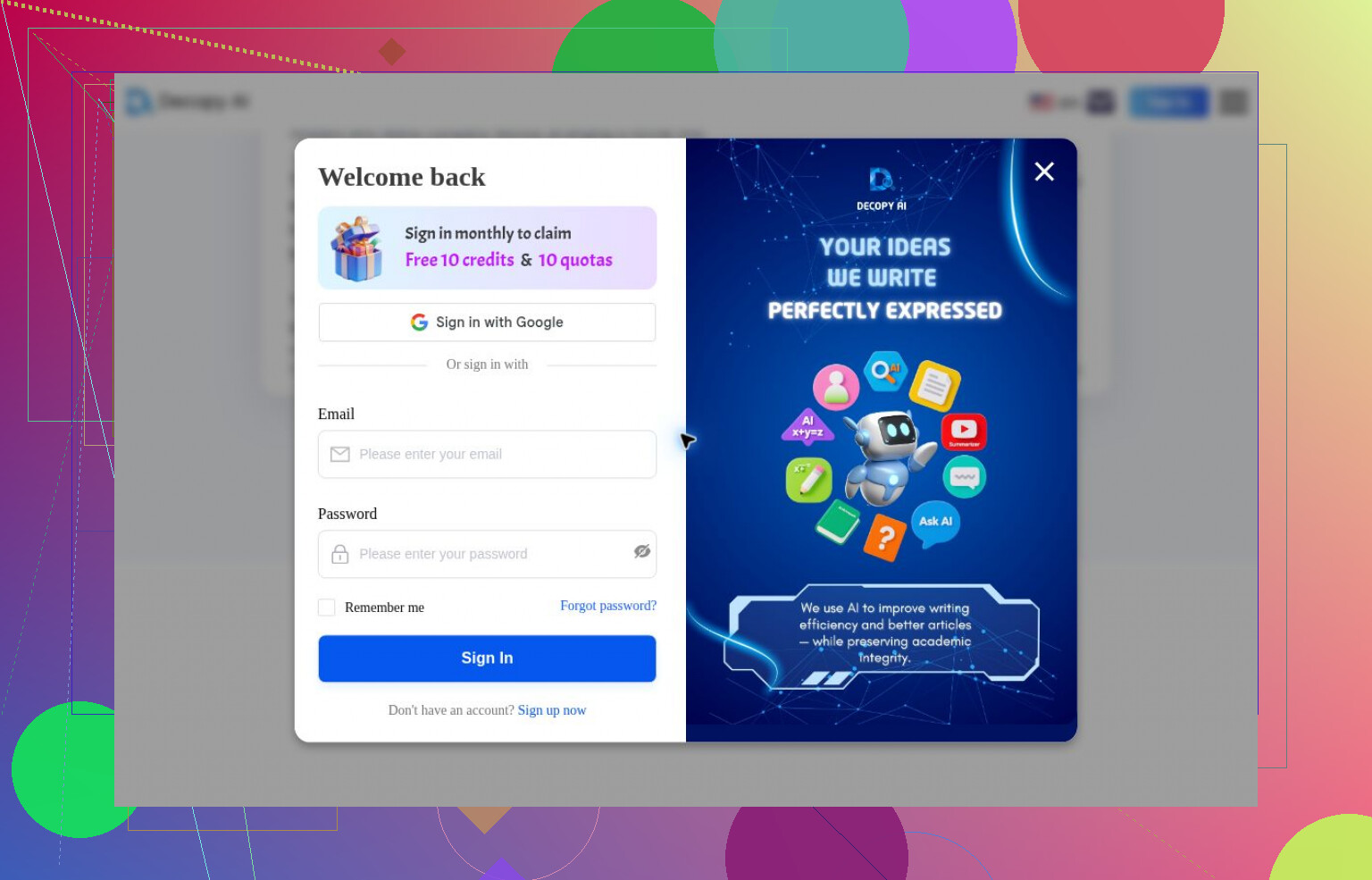
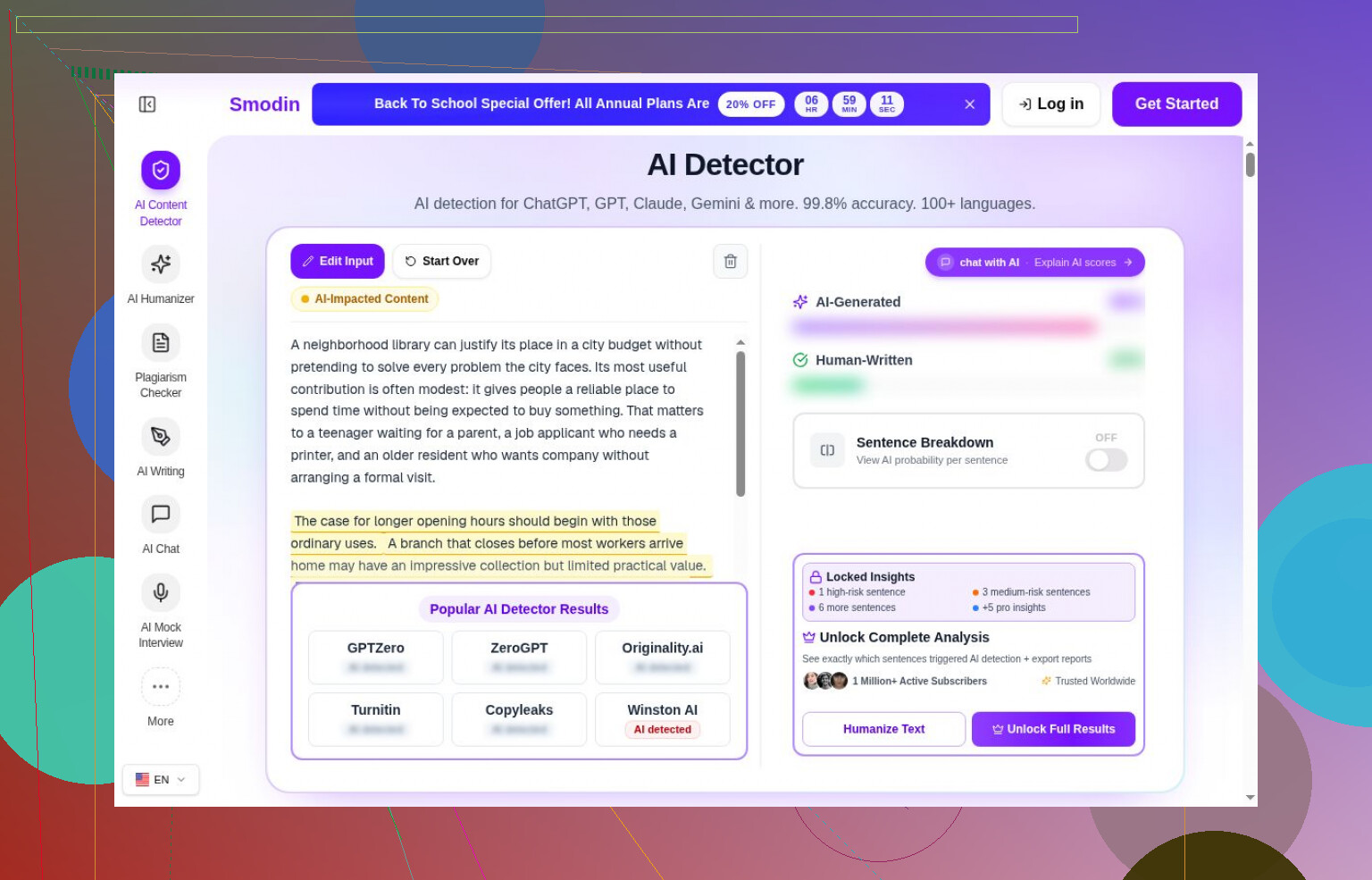
Decopy opened a login dialog after submission despite advertising basic checks without registration. Smodin displayed highlights but hid the headline percentages. Neither gave me a usable verdict to evaluate.
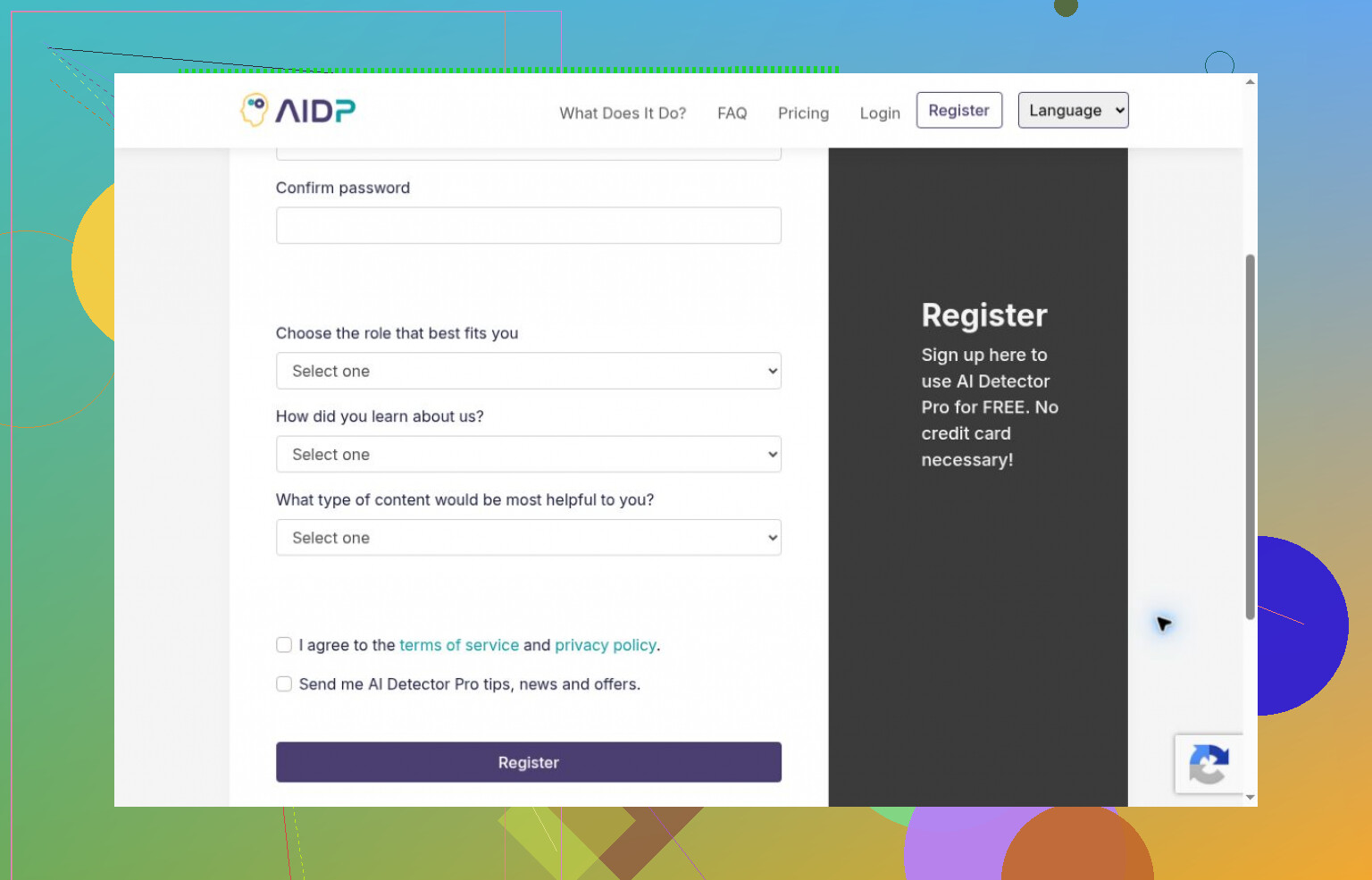
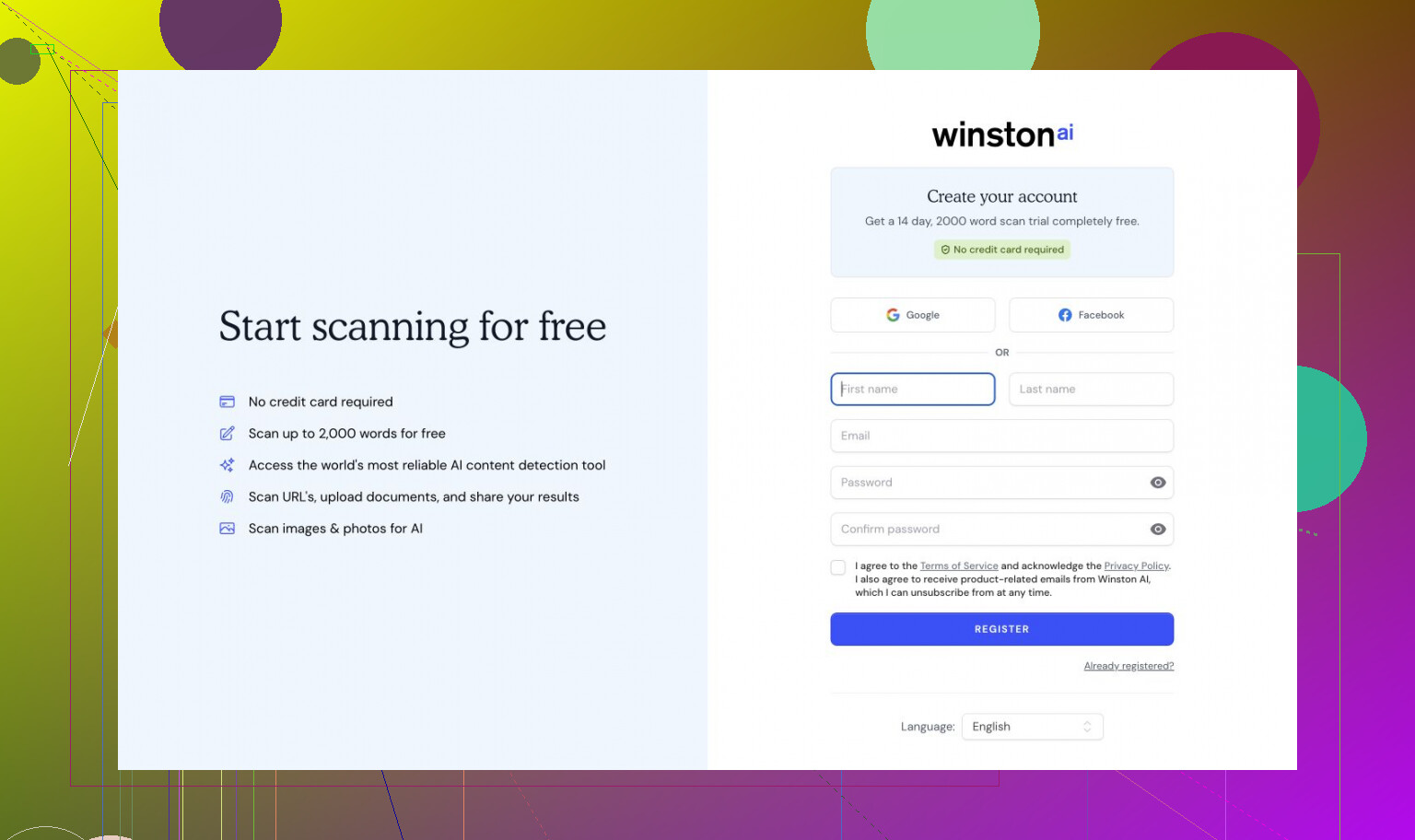
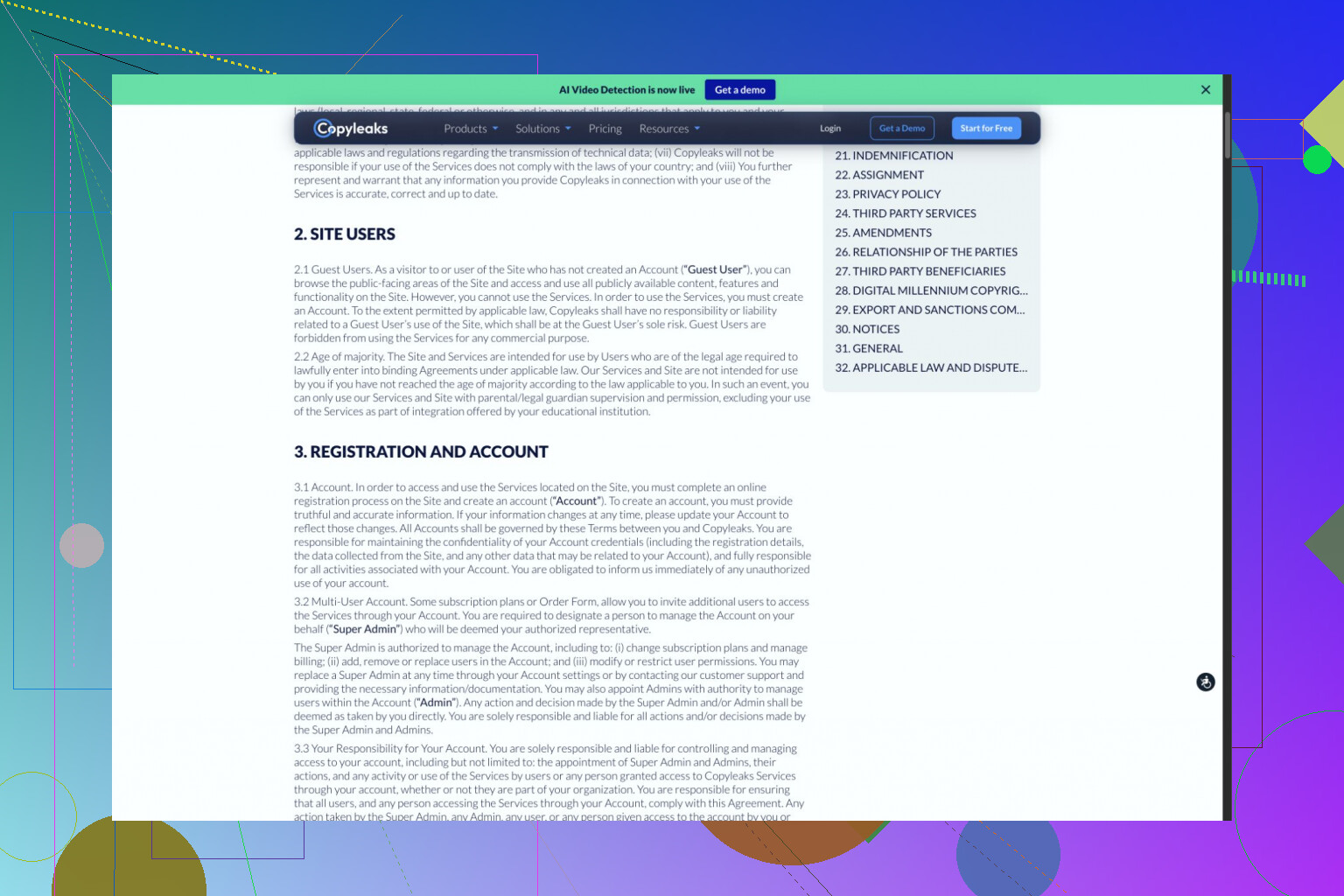
AI Detector Pro required registration, and Winston AI led to trial signup and terms acceptance. Their advertised access wasn’t something I verified. Copyleaks loaded a guest interface, but I stopped over applicable-use terms, not because detection failed.
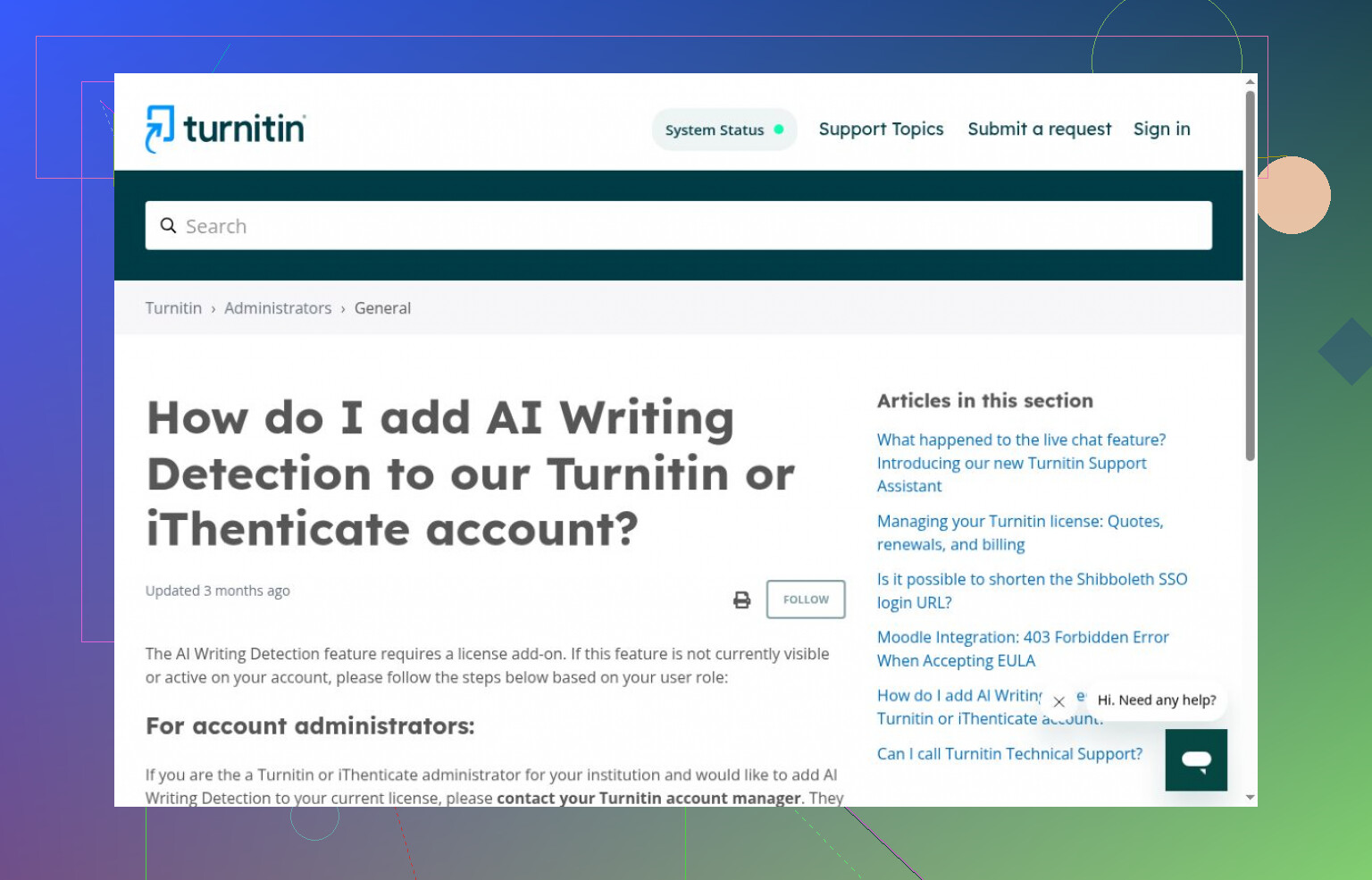
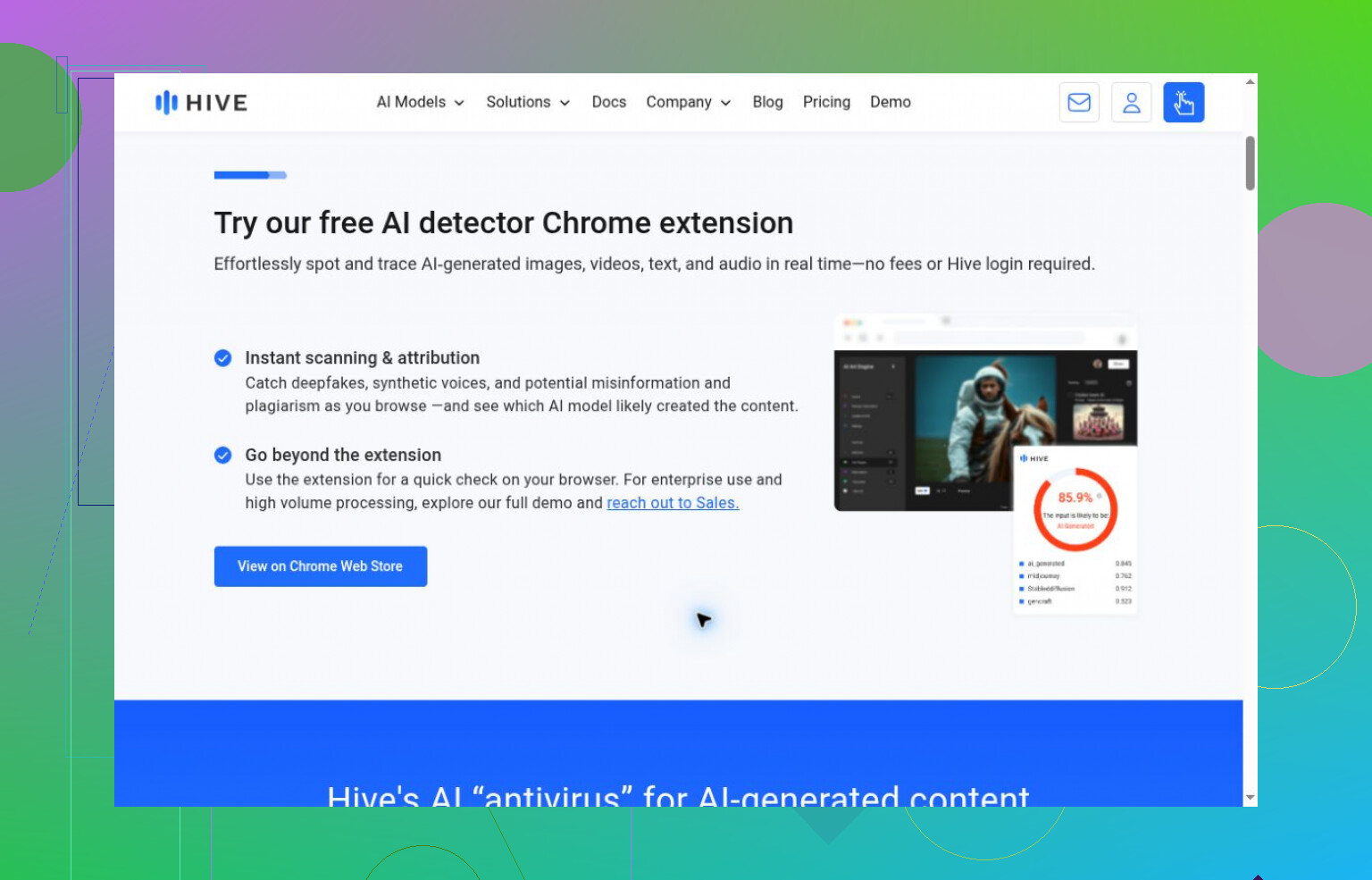
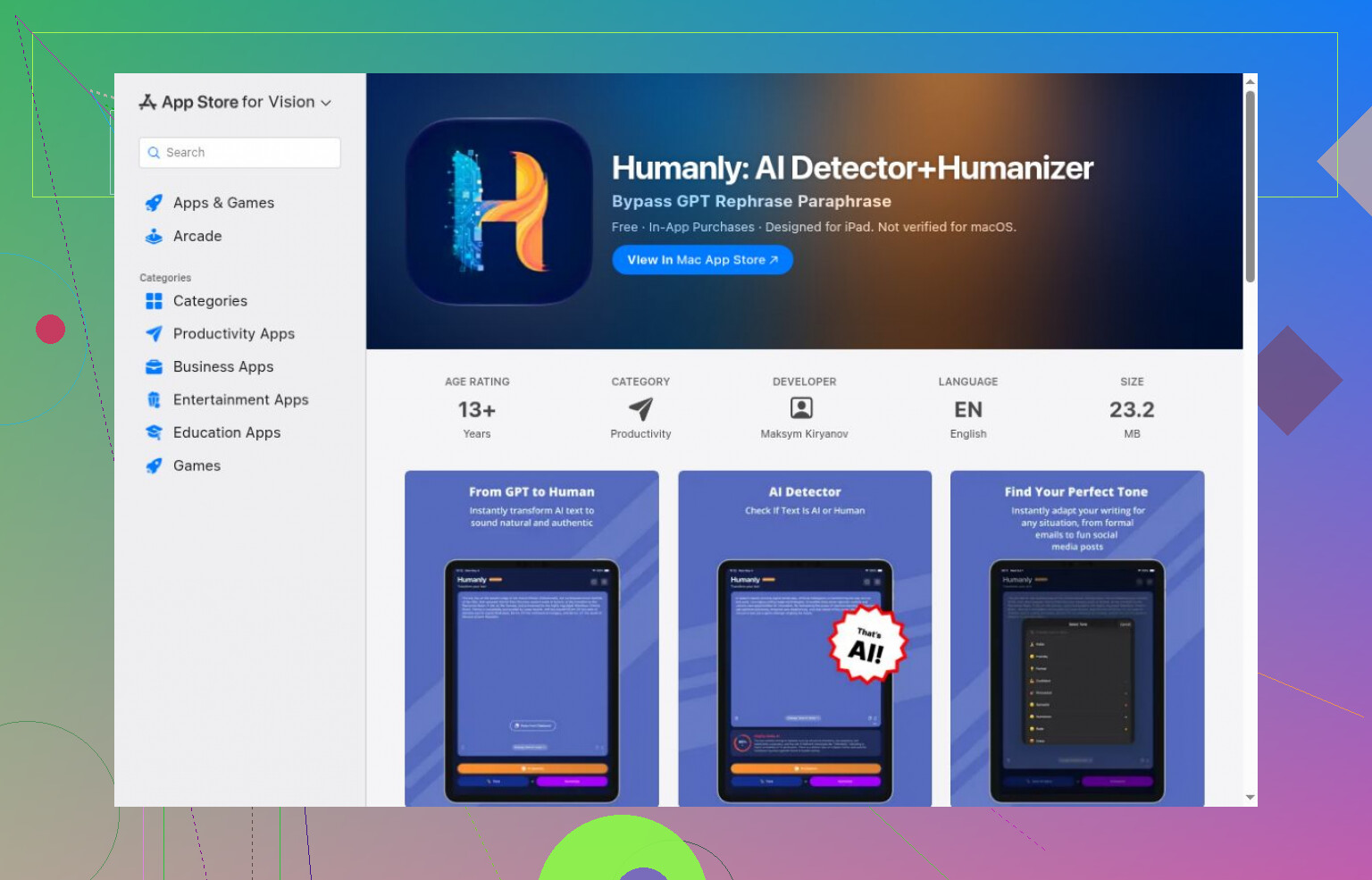
Turnitin needed institutional access and a license add-on. Hive’s inspected web demo accepted media rather than prose; I didn’t configure its text extension or API. ContentDetector.AI sent me to a Moxby extension listing, which I didn’t install. Humanly was only an Apple store listing inspection: free download, in-app purchases, no tested allowance or detection result.
There were less obvious traps inside working checkers, too. Sapling checked only 2,000 of the essay’s 2,070 characters, although its complete story and human checks were correct. GPTZero caught my first three generated inputs at AI 100%, then required signup. Changing the text left the previous score visible, so I didn’t count that display as another scan.
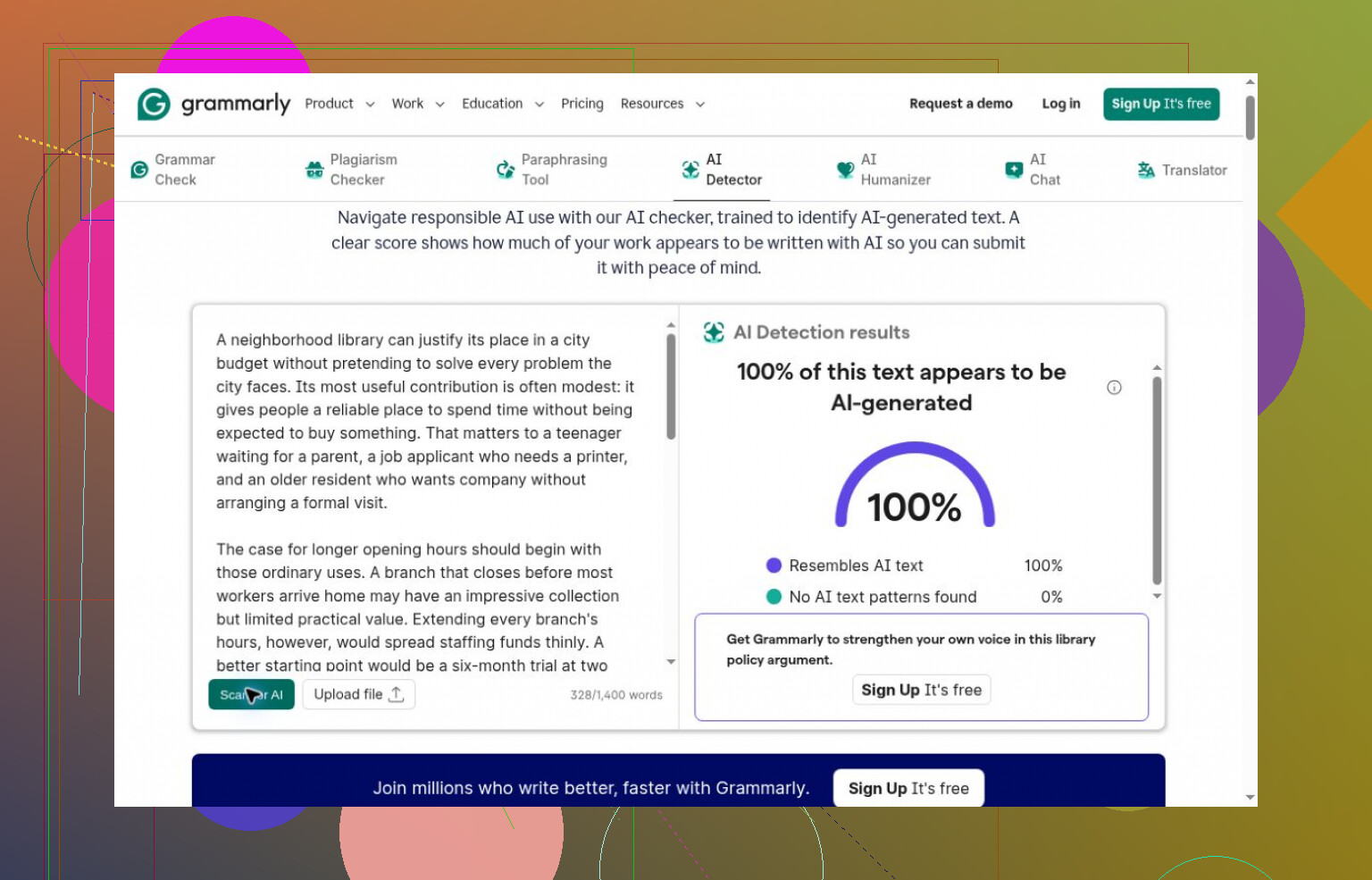
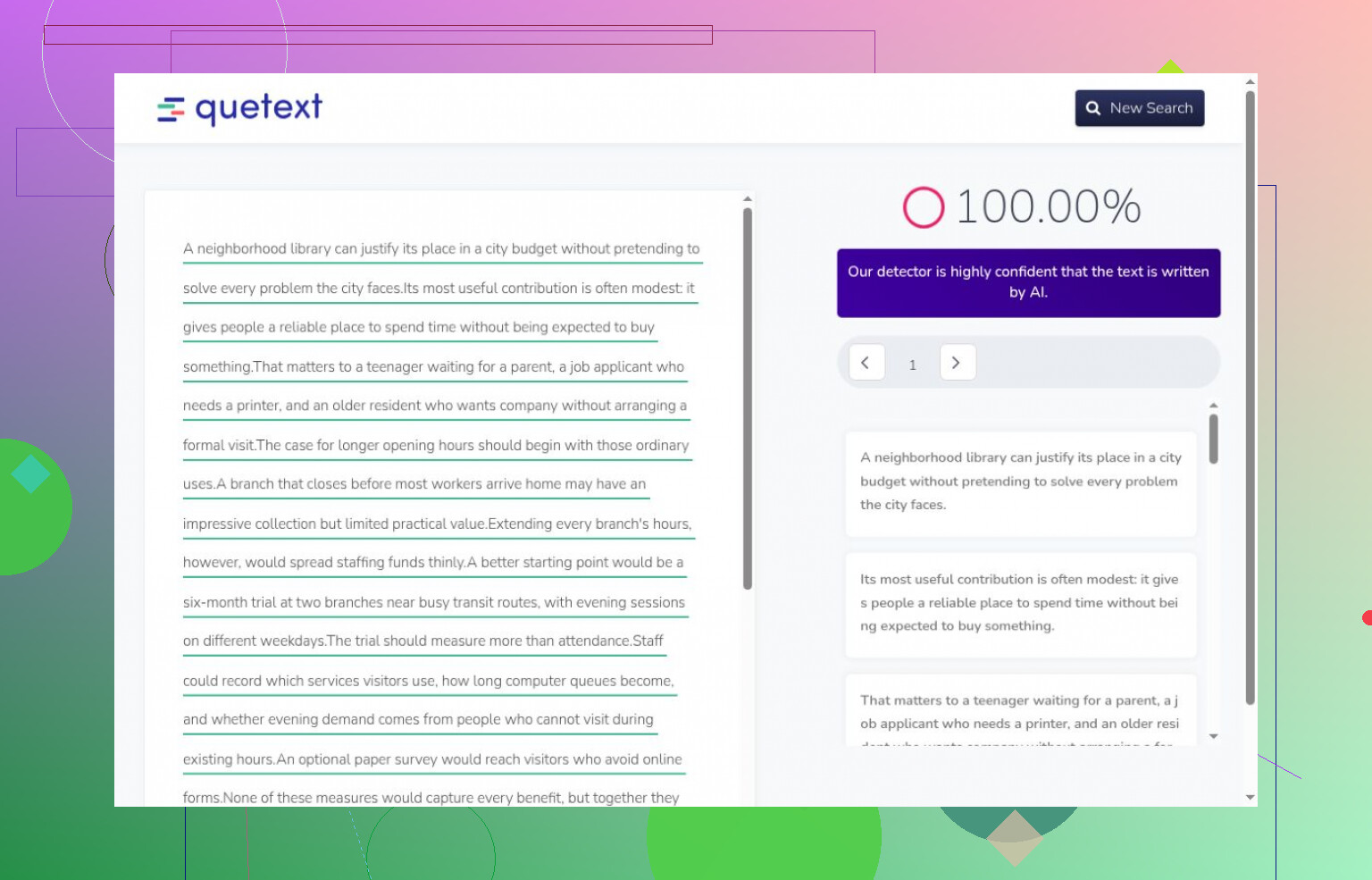
Grammarly and Quetext each caught the essay before account prompts blocked further attempts. Quetext’s sentence navigation was useful, but neither gave me a human control result.
What earned another look
I got the most complete free run from Clever AI Detector without registering or paying. It identified all the generated passages and gave Carroll Human 99%. That’s a practical advantage, not proof of general accuracy. Its advertised unlimited use wasn’t stress-tested, and I didn’t establish a maximum length.
The mixed passage also received Human 99%. Some sentence colors disagreed with the headline, and explanation tags weren’t consistently useful. I’d pay more attention to those limitations than to the apparent precision of the score.
Pangram correctly handled its completed generated and human checks, but I ran out after five submissions. Twenty credits didn’t translate into twenty scans because length mattered. It also treated the lightly edited passage as entirely human.
Originality.ai and AI or Not each completed three correctly labeled guest checks on generated and human material. Originality’s 15% AI Allowance matters: its confidence describes a threshold-based verdict, not the proportion of generated words. I didn’t test mixed writing or other media with AI or Not.
My personal verdict: Clever is the most practical free option from this run, with Pangram, Originality.ai, and AI or Not worth another look. I’d pass on using any of them as an authorship referee. A convenient check earns a place in my workflow, not the final say.
9 Likes
If your freelance brief does not specify what AI applications are permitted, I would avoid using QuillBot for your lunch-break check. After all, what exactly would you ask the flagged writer to explain to you about generating the draft, polishing the sentences, or double-checking the grammar? While clever, that comparison doesn’t address all the nuances. I would use Clever AI Detector for occasional spot checks rather than require QuillBot passage analyses. My preferred approach would be to have a standard disclosure line with each submission, so you would not have to ask a new question every time about acceptable AI application.
Review a few drafts before running any detector, and save your original accept-or-revise decision. Then check whether seeing a score gives you a concrete reason to change that decision. I’d want that answer before adding QuillBot AI Detector to a lunch-break routine.
The comparison here addresses which tools labeled the samples correctly. That’s useful, but I’m less interested in the leaderboard than in what happens to your editing time afterward. For your situation, a check needs to earn its place by catching something you can act on. Getting a result quickly doesn’t help much if you spend the rest of lunch deciding what to do with it.
I’d keep any initial trial separate from writer feedback. Read the draft, note the revisions it needs, then run the check. Whether the score comes from QuillBot or Clever AI Detector, don’t turn it into a revision request by itself. If a flagged paragraph contains an unsupported claim, ask for the source. If it ignores the brief, identify the missing requirement. Those are requests a freelancer can actually complete.
The awkward case is a paragraph you accepted on the first read that suddenly feels suspicious after you see the score. I’d go back to your original notes there. Did you overlook a specific problem, or are you now hunting for something to justify the warning? “This sounds AI-written” leaves the writer guessing what change would satisfy you. “Explain how this example supports the recommendation” gives them an actual task.
For the trial, count the entire detour: submitting the text, interpreting the output, rereading, and any messages it prompts. You don’t need an elaborate spreadsheet. A note beside each draft saying “caught a missed issue” or “created extra review” would answer the workflow question better than another tool comparison.
My vote is to leave QuillBot out of the required process unless that small trial shows a benefit. With a lunch-break deadline, I’d rather occasionally use a check for a specific concern than create another box every acceptable draft has to pass.
Verify if your client permits unpublished drafts in external tools prior to implementing QuillBot into the regular process. This is a distinct query from whether the freelancers are permitted to use AI. A writer can complete what you ask for and still have the draft include material which you cannot publish elsewhere, for instance an unexpected product description or customer interview.
The disclosure line @redpanda6297 suggests would help clarify the writer’s process, but it wouldn’t settle permission for your review process. I’d make that decision once per client, outside the lunch break, rather than improvise with each submission. If getting permission means another round of messages, I’d leave QuillBot out of the required check. No need to create an administrative task before you’ve even edited anything.
For drafts that are cleared for external checks, Clever AI Detector’s sentence coloring would be my preferred method of targeted rereading. It narrows in on a particular passage for inspection, instead of throwing up a percentage that you have to interpret on a document-wide basis. That’s the interface detail I would choose for a tight spot.
Don’t ask a freelancer to rewrite client-approved wording because it gets flagged. The sentence-coloring suggestion leaves me confused about drafts that mix required copy with the freelancer’s own writing. If using QuillBot means sorting out who supplied each flagged passage, I’d skip it for a lunch-break review.
Honestly the mixed-copy problem @dilit25008 flagged is the real dealbreaker, not accuracy. If a draft blends client-supplied wording with the writer’s own prose, any whole-document score is meaningless, and chasing who wrote what eats your whole break. So before any of this becomes routine, I’d ask writers to drop pasted reference copy into a separate note instead of inline. That alone kills most of the detective work. On the tool itself, the one thing I’ll give Clever AI Detector credit for is that it just takes pasted plain text and runs without making you set anything up, which matters when your input is already plain text anyway. Past that, I’d treat it as a nudge to reread a paragraph, nothing you’d quote back to a freelancer.
A flagged draft invites extra scrutiny, while a “human” result can tempt you to cut the review short. That second case would concern me more in a rushed lunch-break review. I’d tweak @technode8929’s trial to watch whether reassuring results make you skip checks you normally do, rather than only counting the extra work warnings create. If QuillBot’s verdict wouldn’t change your review either way, I’d leave it out. If it would let a draft move through faster, you’d need evidence that the shortcut is justified. The small test in this thread doesn’t give me that confidence.
Making a detector score an acceptance requirement could give freelancers a reason to edit for the checker instead of your readers. @technode8929’s suggestion to keep the trial separate from writer feedback matters for that reason. I wouldn’t make QuillBot mandatory if a writer could meet the brief and still owe you revisions just to change a score.